

Holistic support for managing PCOS and women’s wellbeing
Polycystic Ovary Syndrome (PCOS) is a common hormonal condition that affects many women of reproductive age. Understanding what is PCOS, its causes, symptoms, and management options is essential to maintain overall wellbeing. At City Osteopathy & Physiotherapy, we take a holistic approach, combining lifestyle guidance, nutrition, and professional support to help women navigate the challenges of PCOS.
PCOS is a hormonal disorder characterised by an imbalance of reproductive hormones, which can affect menstrual cycles, fertility, and overall health. Women with PCOS may develop cysts on their ovaries, experience irregular periods, or have symptoms related to elevated androgens (male hormones).
Early awareness and proactive management can help reduce long-term risks such as insulin resistance, weight gain, and fertility challenges.
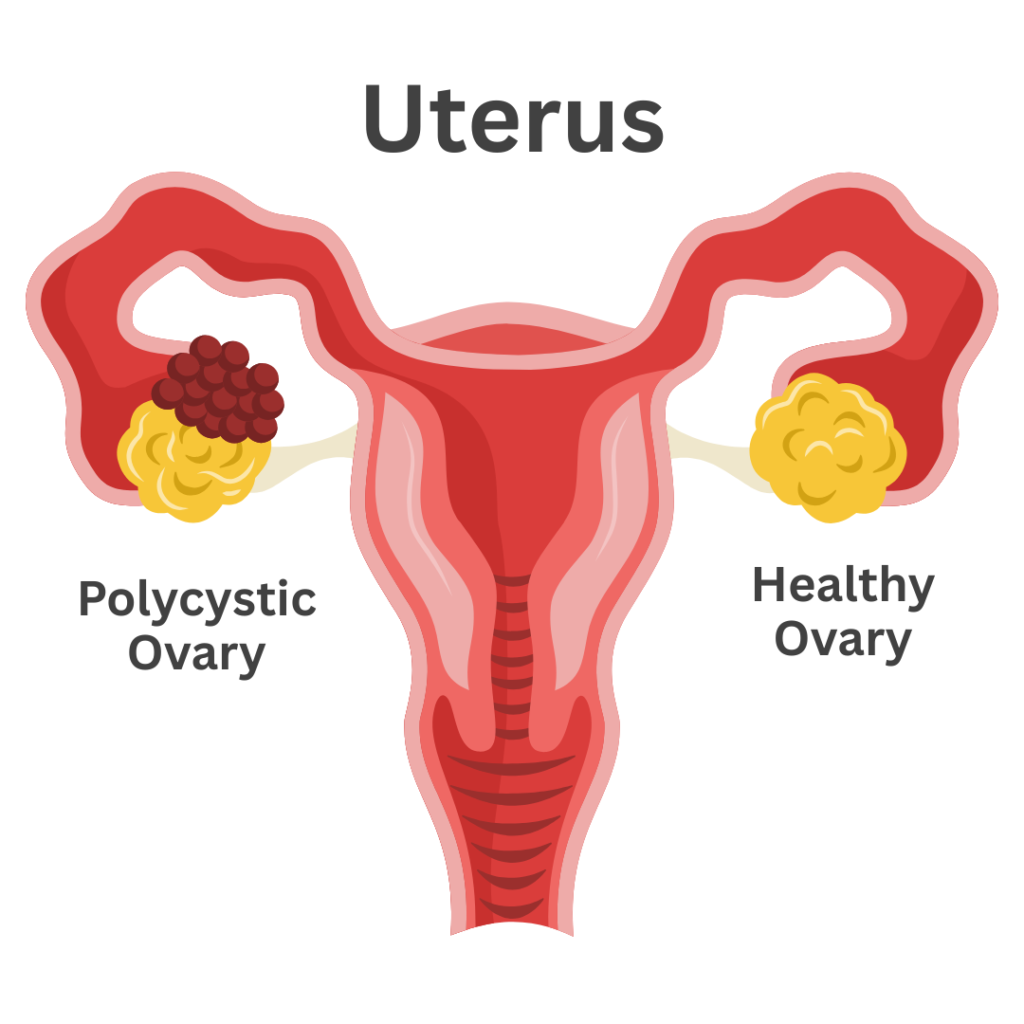
The exact PCOS causes are still not fully understood, but research shows that PCOS develops through a combination of hormonal, metabolic, genetic, and lifestyle influences. Instead of one single trigger, PCOS results from several interconnected factors affecting how the ovaries function and how the body regulates hormones.
These are the key factors that commonly contribute to the development of PCOS and influence how your hormones and ovaries function:
Many women with PCOS have elevated androgen levels (such as testosterone). When these hormones rise, they can interfere with the normal ovulation process, causing irregular or absent periods. This imbalance also contributes to symptoms like acne, excess hair growth, and hair thinning.
Many women with PCOS have elevated androgen levels (such as testosterone). When these hormones rise, they can interfere with the normal ovulation process, causing irregular or absent periods. This imbalance also contributes to symptoms like acne, excess hair growth, and hair thinning.
PCOS often runs in families. If a mother, sister, or aunt has PCOS or related conditions such as type 2 diabetes, you may have an increased likelihood of developing it. Genetics influence how your body processes insulin, responds to hormones, and regulates the menstrual cycle.
While lifestyle does not cause PCOS, factors like a highly processed diet, chronic stress, poor sleep, and low physical activity can worsen symptoms or amplify hormonal disruptions. Stress hormones, for example, can further imbalance insulin and reproductive hormones.
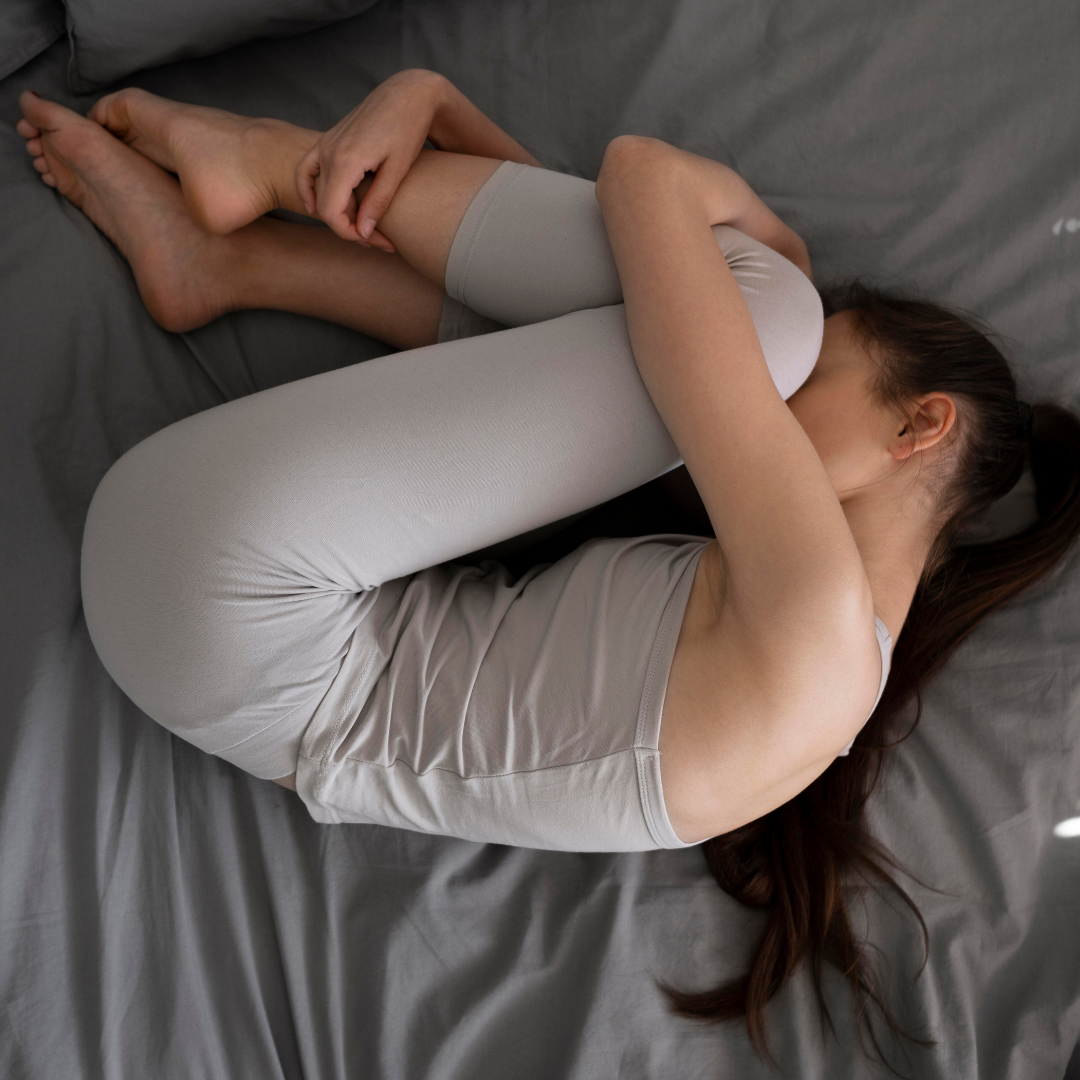
PCOS symptoms can vary widely between individuals, but they often follow similar hormonal patterns. Understanding these signs early helps you seek the right support and manage symptoms more effectively.
Women with PCOS often experience menstrual cycles that are less frequent than usual, longer than 35 days, or occasionally completely absent. These irregularities are commonly caused by hormonal imbalances that affect ovulation, making it harder for the body to maintain a consistent menstrual rhythm. Monitoring cycles and seeking professional advice can help manage these changes effectively.
Hormonal imbalances, including elevated androgens and insulin resistance, often disrupt ovulation.
Irregular periods can sometimes signal an increased risk of long-term conditions, such as endometrial thickening.
Maintaining a healthy lifestyle, including balanced nutrition and stress management, may help support cycle regularity.
Elevated levels of androgens, or male hormones, can cause unwanted hair growth on areas such as the face, chest, or back. The severity of hair growth can vary significantly between individuals. Early recognition and guidance from a healthcare professional can help manage symptoms safely and improve quality of life.
Hair growth may appear as fine, light hair or thicker, darker hair, depending on individual hormone levels.
Hirsutism can affect self-confidence and emotional wellbeing.
Management options include topical treatments, hair removal techniques, and hormone-regulating therapies guided by a healthcare professional.
Hormonal fluctuations associated with PCOS may increase oil production in the skin, leading to persistent acne. This commonly affects the face, chest, and back, and can sometimes impact self-confidence. With the right support, including lifestyle measures and dermatological advice, symptoms can be managed effectively.
Increased sebum production may lead to clogged pores and inflammation.
Acne severity can range from mild breakouts to more persistent or cystic forms.
Lifestyle and skincare interventions, along with professional advice, can help reduce acne and prevent scarring.
Many women with PCOS experience challenges in maintaining a healthy weight due to insulin resistance. This can make losing weight more difficult despite a balanced diet and regular exercise. A structured, personalised plan guided by a healthcare professional can support sustainable weight management.
Irregular or absent ovulation can make conceiving more difficult for women with PCOS. However, many women with PCOS are able to achieve pregnancy with appropriate medical support and lifestyle adjustments. Early consultation with a fertility specialist can provide guidance and increase the chances of a successful pregnancy.
Fertility challenges may cause emotional stress, which can be alleviated with professional support.
Medical interventions, such as ovulation-inducing medications or assisted reproductive techniques, can improve conception chances.
Maintaining a healthy lifestyle and managing PCOS symptoms can enhance fertility outcomes.
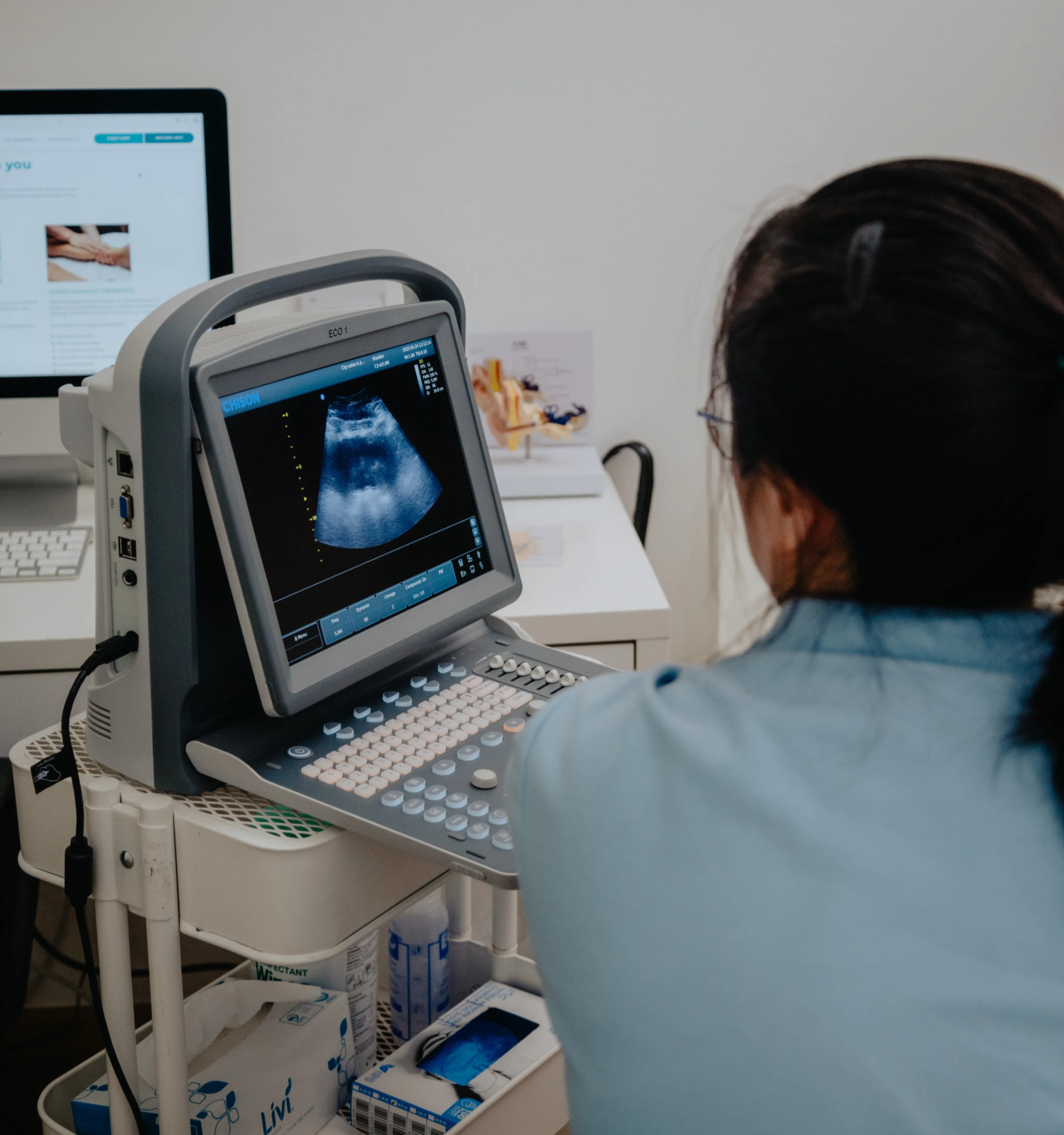
Knowing how to identify PCOS involves paying attention to your menstrual cycle, physical changes, and seeking professional guidance. Early recognition helps with timely management and reduces the risk of long-term complications.
Healthcare professionals may recommend:
A naturopathic approach focuses on treating PCOS holistically, supporting the body’s natural ability to restore hormonal balance:
Exercise plays a crucial role in PCOS management — not just for weight, but for hormone regulation, insulin balance, and emotional wellbeing. Regular movement helps the body use insulin more effectively, lowers inflammation, and supports healthy ovulation.
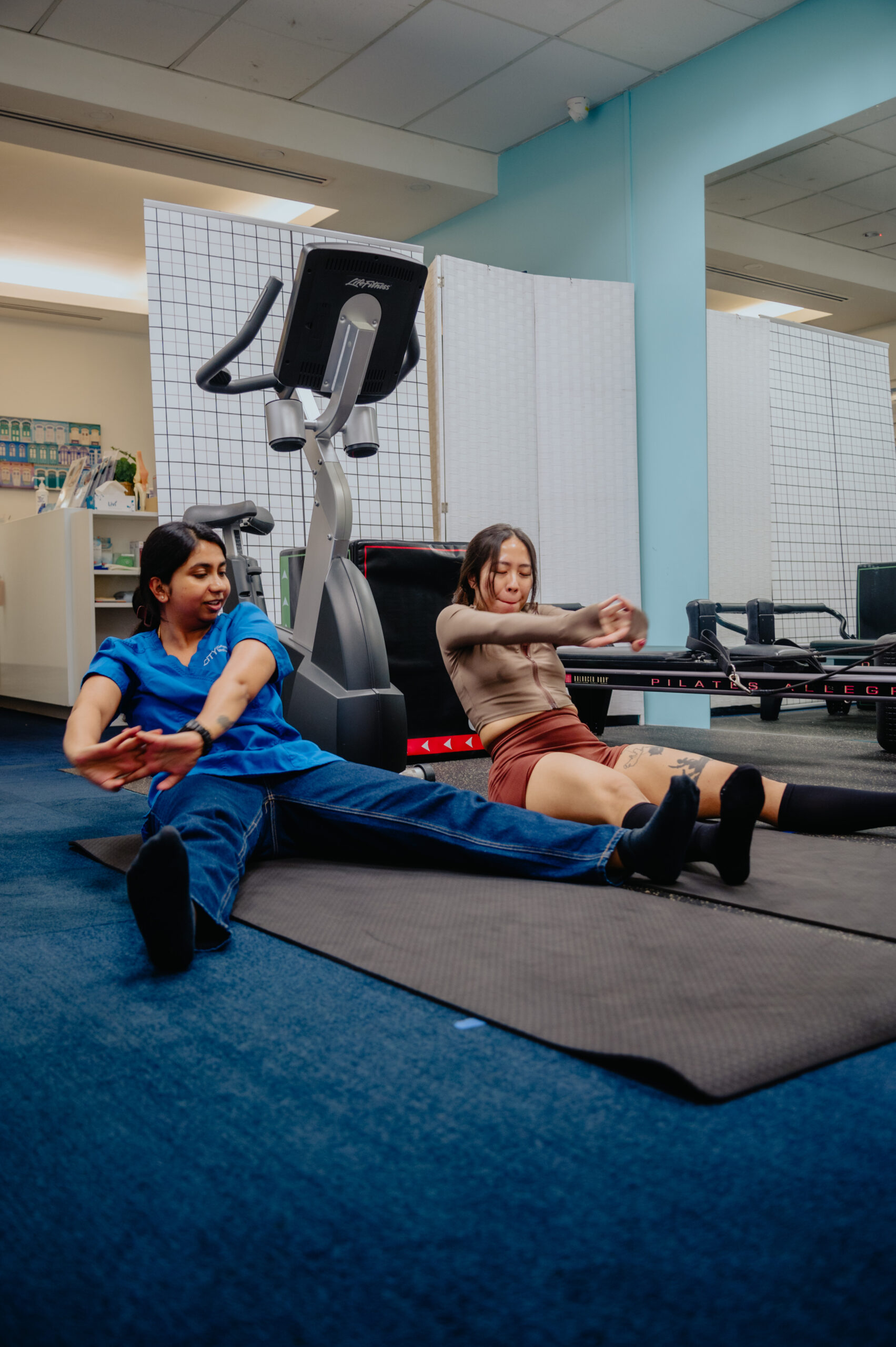
At City Osteopathy & Physiotherapy, we integrate naturopathic principles to create personalised movement plans, which may include:
These carefully guided exercises help regulate menstrual cycles, stabilise mood, and support long-term metabolic health — a key focus of holistic PCOS care.
A thorough professional assessment ensures an accurate diagnosis and allows for personalised PCOS treatment strategies tailored to your unique needs.
Swetha is a Clinical Naturopath and Gold Medallist from Rajiv Gandhi University of Health Sciences. She blends evidence-based nutrition, lifestyle medicine, yoga, acupuncture, and mind-body therapies to support gut health, sleep, and chronic conditions. Swetha is especially passionate about empowering individuals through education, mindfulness, and sustainable wellness practices.
Brian brings extensive experience in manual therapy, integrative health, and psychosomatic wellness. His approach is gentle yet comprehensive, bridging physical treatment with emotional support and nutritional insight. Brian is especially passionate about helping clients recover from chronic stress, digestive dysfunction, and nervous system dysregulation.

Have the best experts in osteopathy, physiotherapy, and massage therapy services work together to tailor a unique care plan for you.
Everything you need to get better, under one roof.
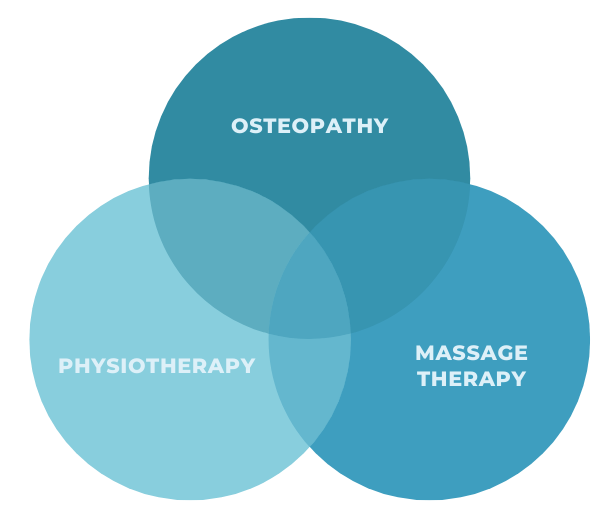
We are here with you at every step of the way.
We evolve, grow, and flex as you and your body does.
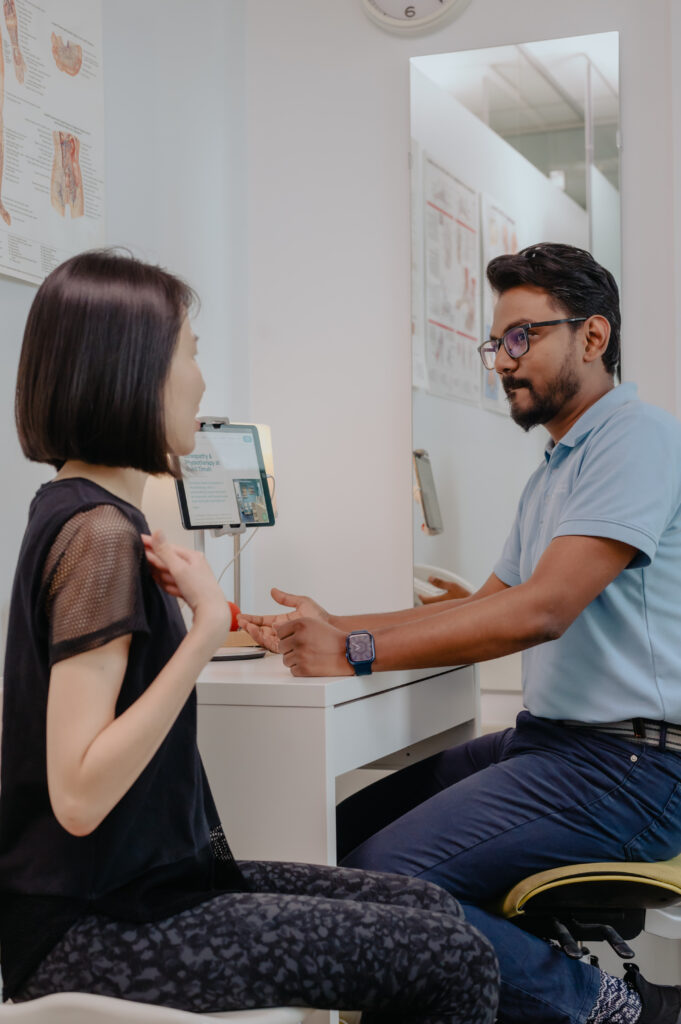
The initial examination & diagnosis to get to know you and your body.
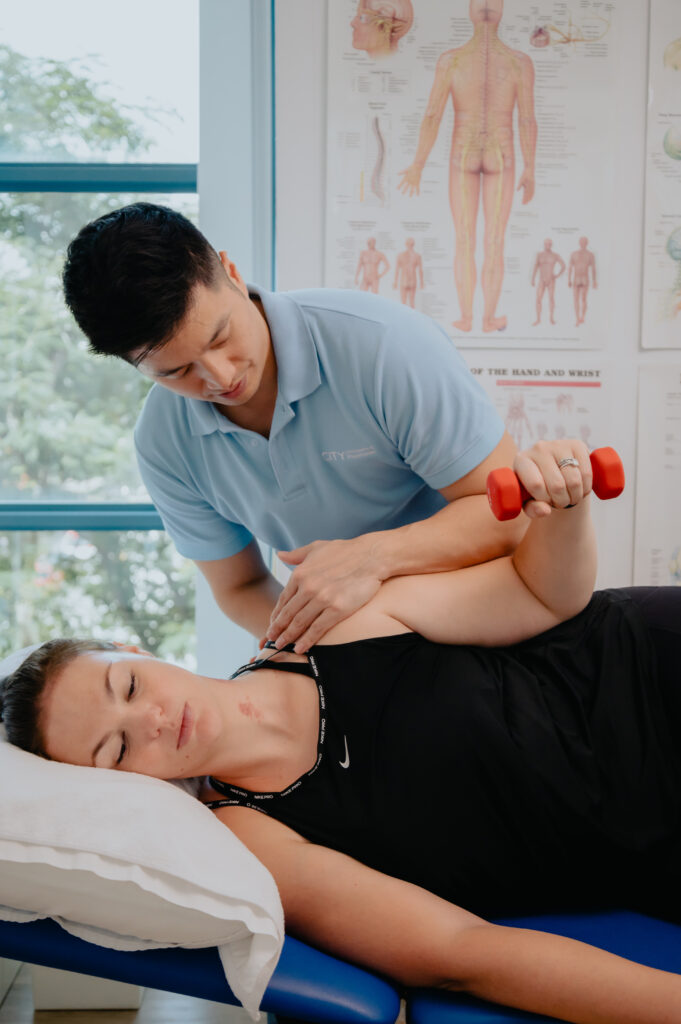
Our expert recommendation to get you from where you are, to the better you.
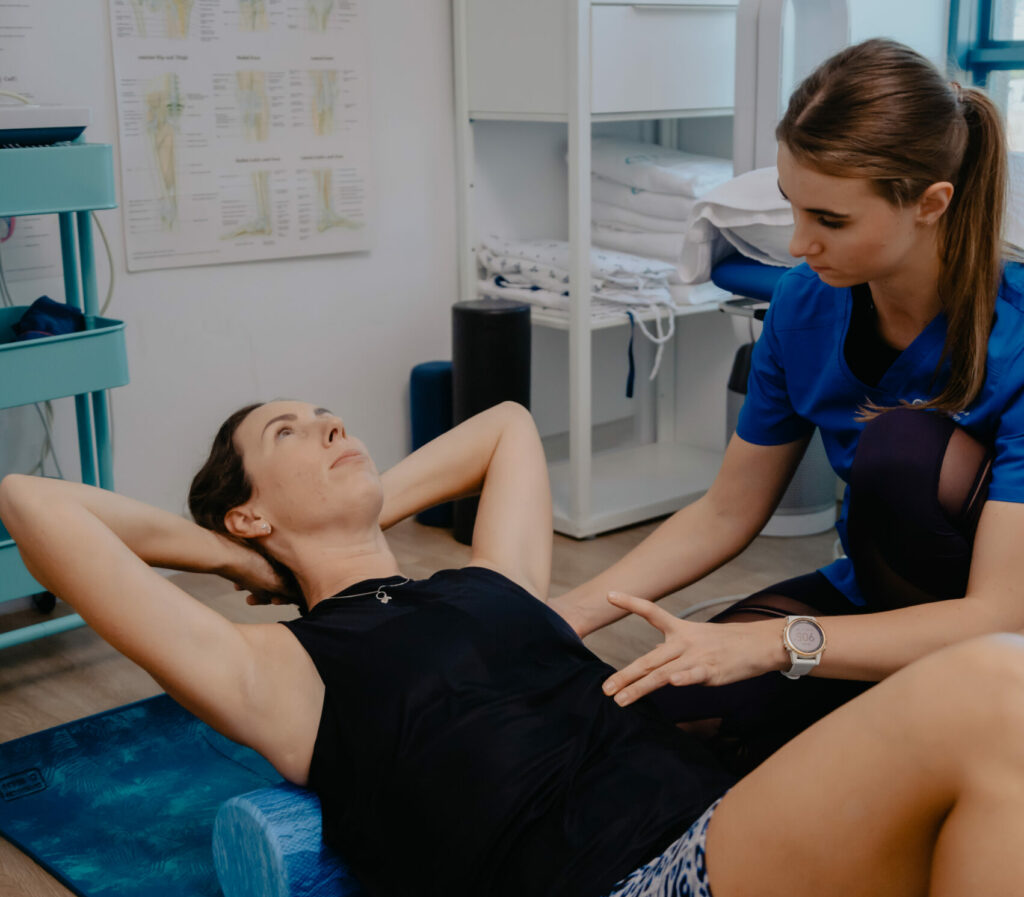
The most relevant experts employ hands-on therapy & corrective exercises for an effective healing journey.
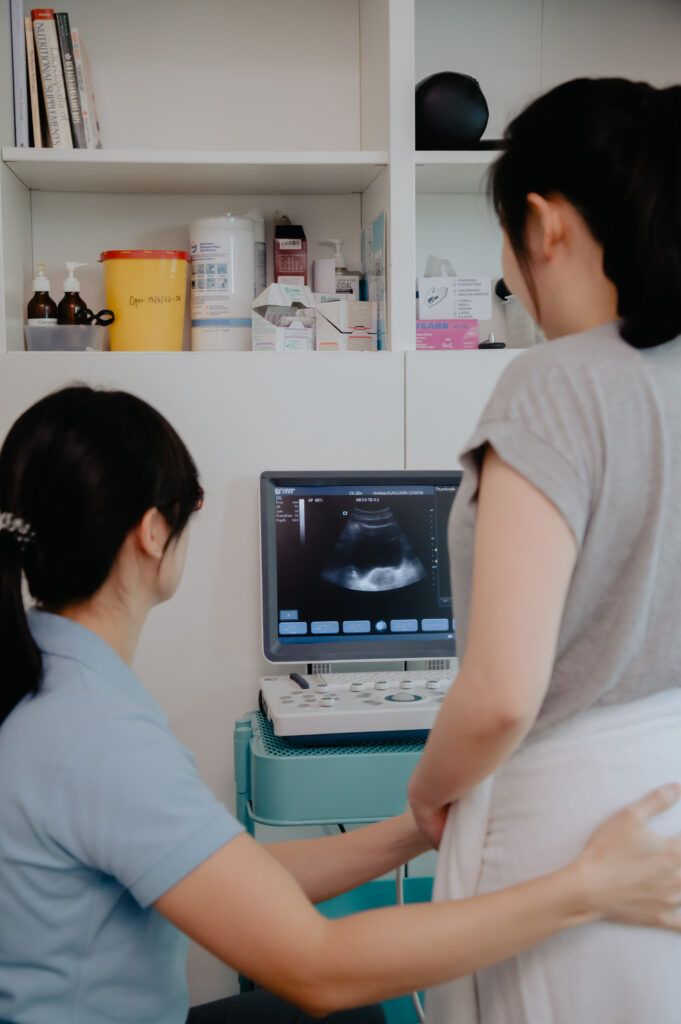
You are ever-evolving & so will your recovery plan. Our experts consistently reassess your condition & progress, updating our approach and methods.
City Osteopathy and Physiotherapy offers direct billing service for several insurance providers:

To enjoy cashless transaction please bring with you:
Don’t worry if your insurance is not listed here. After each session we will email you an itemized bill so you can submit it for reimbursement.
We do not charge for completing medical insurance forms, but an administration fee is charged if an official letter or report is required to be produced for the insurance company or other entity.
Address: 1 Gateway Drive, Westgate Tower, #10-16 S(608531)
Contact us: Whatsapp
Opening hours:
Wednesday: 8 am to 8 pm
Thursday – Tuesday: Closed
Yes. Hormonal imbalances in PCOS can lead to irregular or painful periods, though severity varies between individuals.
There is currently no permanent cure for PCOS. Effective management involves lifestyle changes, nutrition, medical support, and holistic therapies to control symptoms and improve long-term health.
Fertility challenges are common with PCOS. Management may include lifestyle optimisation, medical fertility treatments, and guidance on timing ovulation. Professional support is key to improving conception chances.
Yes. Elevated androgen levels in PCOS can lead to thinning hair or hair loss on the scalp, while causing excess hair growth in other areas of the body.
Symptoms of PCOS may improve after menopause, particularly irregular periods and fertility issues, but metabolic risks like insulin resistance and weight challenges may persist
Highly processed foods, refined sugars, and trans fats can worsen insulin resistance and inflammation. A balanced diet with whole grains, fibre, lean protein, and low-glycaemic foods is recommended.
Exercise is highly beneficial, particularly for improving insulin sensitivity and reducing inflammation, but it should be combined with a balanced diet, stress management, and medical or holistic guidance for best results.
Not necessarily. While ovarian cysts are a common feature of PCOS, having cysts alone does not mean a person has PCOS. Diagnosis considers hormonal imbalance, menstrual irregularities, and other symptoms.