- The benefits of shockwave therapy include reduced pain, support for your body’s natural healing response, improved mobility, and faster recovery from chronic musculoskeletal conditions.
- ESWT (Extracorporeal Shock Wave Therapy) is commonly used for conditions such as plantar fasciitis, tennis elbow, Achilles tendinopathy, shoulder tendinopathy, and other persistent tendon and soft tissue injuries.
- Treatment sessions typically last 15–20 minutes, and many patients require 3–6 sessions, depending on their condition and rehabilitation goals.
- It often works best when you combine it with physiotherapy, exercise therapy, and other rehabilitation strategies.
Persistent tendon or joint pain that won’t fully resolve can be frustrating, especially when rest and basic treatment don’t help. Shockwave therapy (ESWT) in Singapore offers a non-invasive option that many patients in Singapore explore before considering surgery. This guide covers the benefits of shockwave therapy, including how it works, which conditions it treats, and what results you can realistically expect. You’ll also find information on possible side effects, typical costs, and how to know if this treatment suits your condition.
Shockwave Therapy at a Glance
| Category | Details |
|---|---|
| Treatment type | Non-invasive outpatient therapy |
| Treatment duration | Around 15–20 minutes per session |
| Typical number of sessions | Approximately 3–6 sessions depending on the condition |
| Downtime | Usually minimal |
| Common conditions treated | Plantar fasciitis, tennis elbow, Achilles tendinopathy, shoulder tendon injuries |
| Requires surgery? | No |
| Often combined with | Physiotherapy, exercise therapy, and rehabilitation |
Heel pain that makes walking uncomfortable. A shoulder injury that limits reaching movements. An Achilles tendon problem that keeps returning whenever you try to exercise again.
These persistent tendon and soft tissue conditions can affect daily activities, work, and sports participation. When rest, stretching, or other conservative approaches do not provide enough improvement, some patients explore shockwave therapy as part of a broader rehabilitation plan.
Extracorporeal Shockwave Therapy (ESWT) is a non-invasive treatment that uses controlled acoustic waves to support tissue recovery and improve function over time.
Understanding how ESWT works, the conditions it may help, and what to expect during treatment can help patients decide whether it is suitable for their situation.
What Is Shockwave Therapy?
What Is Extracorporeal Shockwave Therapy (ESWT)?
Extracorporeal Shockwave Therapy (ESWT) is a non-surgical treatment that uses acoustic pressure waves to target specific areas affected by chronic pain or soft tissue injury.
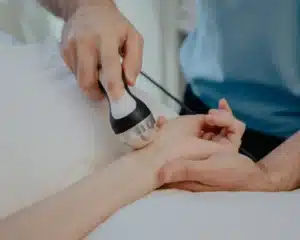
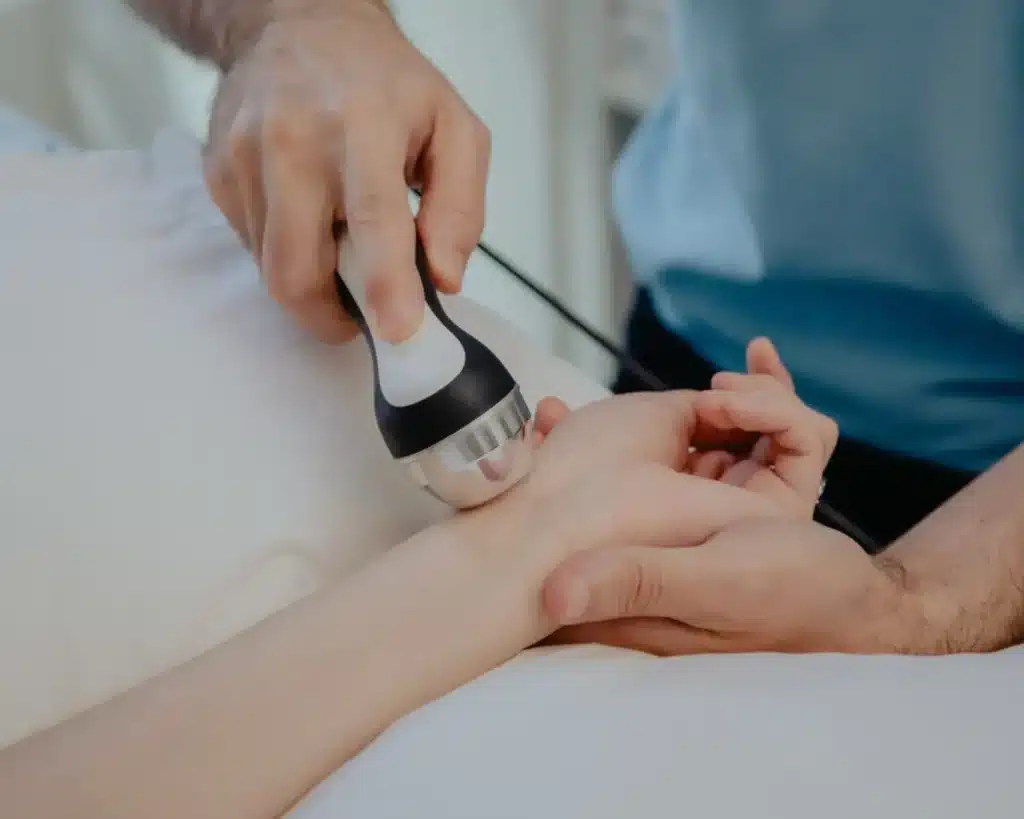
Extracorporeal means the treatment is delivered from outside the body. During a session, a handheld device transfers controlled shockwaves through the skin and into the targeted tissues.
Lithotripsy, a medical procedure that breaks down kidney stones, originally provided the shockwave technology behind ESWT. Researchers later discovered that controlled shockwaves could also influence biological activity in tissues, which led to its wider use in sports medicine, orthopaedics, and rehabilitation. (PMC9382436)
Today, other healthcare professionals and we use ESWT as part of treatment plans for various musculoskeletal conditions, particularly chronic tendon and soft tissue problems.
External Reference: International Society for Medical Shockwave Treatment (ISMST)
How Shockwave Therapy Differs From Physiotherapy, Pain Medication, and Corticosteroid Injections
Clinicians often discuss this treatment alongside other conservative options, but it works through a different approach.
Physiotherapy focuses on improving movement, strength, flexibility, and function through exercises, manual techniques, and rehabilitation strategies.
Pain medication may help manage discomfort, but it does not directly address the underlying tissue changes involved in many chronic tendon conditions.
Corticosteroid injections may provide temporary symptom relief for certain conditions. However, they are not suitable for every patient and are usually considered alongside other treatment approaches rather than as a complete recovery solution.
ESWT aims to stimulate responses within the affected tissues instead of only reducing symptoms.
For many patients, the best results come from combining different rehabilitation methods. We commonly combine it with strengthening exercises, movement retraining, and a gradual return-to-activity programme.
How Does Shockwave Therapy Work?
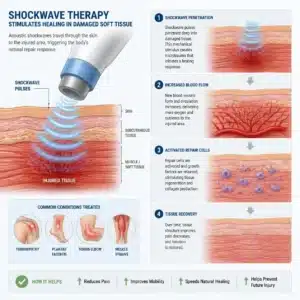
Stimulating the Body’s Natural Healing Response
Some chronic injuries become difficult to resolve because the affected tissues remain irritated, overloaded, or unable to adapt properly to normal movement.
We deliver controlled mechanical energy to the affected area with ESWT. This stimulation encourages biological activity within the tissue and supports the processes involved in recovery. Research suggests the treatment influences several responses, including:
- Increased cellular activity
- Improved tissue metabolism
- Support for repair processes
- Changes in pain sensitivity
ESWT does not instantly repair damaged tissue. Instead, it supports the conditions needed for the body’s recovery processes to work more effectively.
Improving Blood Circulation and Tissue Repair
Healthy circulation plays an important role in recovery because blood flow supplies oxygen and nutrients needed for tissue maintenance and repair.
The mechanical stimulation created by ESWT may encourage changes within the treated area, including improved circulation and increased tissue activity.
These effects may support:
- Tissue remodelling
- Collagen-related repair processes
- Recovery of tendon and soft tissue function
- Better response to rehabilitation exercises
Recovery is usually gradual, with improvements developing over time after treatment sessions.
Research into ESWT has examined its effects on pain reduction, tissue response, and recovery outcomes in different musculoskeletal conditions.
External References:
Supporting Long-Term Recovery of Chronic Injuries
Many patients come to us after experiencing pain that has lasted for weeks or months, especially when symptoms keep returning during normal activities. ESWT aims to support longer-term recovery by improving tissue function and helping suitable patients progress through rehabilitation. Potential benefits may include:
- Reduced discomfort during movement
- Improved mobility
- Better exercise tolerance
Treatment outcomes vary between individuals. Factors such as injury severity, overall health, activity level, and participation in rehabilitation all influence recovery.
Good to Know
This treatment often works best when you combine it with an appropriate rehabilitation programme. While ESWT supports tissue recovery, strengthening exercises help you improve movement quality and reduce the risk of recurring problems.
What Conditions Can Shockwave Therapy Help Treat?
Shockwave therapy commonly helps treat persistent tendon and soft tissue problems, including tendinopathy (irritation or degeneration of a tendon caused by repeated strain). We often consider it when symptoms have lasted for an extended period and haven’t improved sufficiently with rest, basic treatment, or conventional rehabilitation alone. Suitability always depends on your condition, medical history, and recovery goals.
Plantar Fasciitis and Heel Pain
Plantar fasciitis is one of the most common conditions treated with shockwave therapy.
It occurs when the plantar fascia becomes irritated or overloaded, causing heel pain that is often worse during the first steps after waking or after periods of rest.
For persistent cases, ESWT may support recovery as part of a broader treatment plan.
Treatment is often combined with:
- Calf and foot strengthening exercises
- Stretching programmes
- Footwear advice
- Activity modification
Tennis Elbow and Golfer’s Elbow
Tennis elbow and golfer’s elbow are tendon conditions that affect the elbow due to repeated stress and overuse.
Despite their names, these conditions are not limited to athletes. They can affect anyone whose work, hobbies, or daily activities involve repetitive wrist and forearm movements.
Symptoms may include:
- Pain when gripping objects
- Weakness in the forearm
- Discomfort during lifting activities
- Tenderness around the elbow
We may use ESWT to support tendon recovery and improve symptoms, particularly once the condition has become chronic. We usually recommend a rehabilitation programme that includes strengthening and movement correction alongside treatment.
Shoulder Tendinopathy and Calcific Tendinitis
Shoulder pain can develop from several tendon-related conditions, including rotator cuff tendinopathy and calcific tendinitis.
Calcific tendinitis occurs when calcium deposits form within a shoulder tendon, causing pain and restricted movement.
For suitable patients, shockwave therapy may help address these issues by delivering targeted energy to the affected tissues.
Potential benefits include:
- Supporting tissue recovery
- Improving shoulder movement
- Reducing discomfort during activity
- Assisting the breakdown of certain calcifications
A professional assessment is important because shoulder pain can have many causes, and the most appropriate treatment depends on the underlying problem.
Achilles Tendinopathy
The Achilles tendon connects the calf muscles to the heel bone and is important for walking, running, and jumping.
Repeated stress or sudden increases in activity can contribute to Achilles tendinopathy.
Common symptoms include:
- Pain or stiffness around the Achilles tendon
- Discomfort during exercise
- Reduced ability to perform certain activities
ESWT may be considered alongside progressive strengthening exercises to support recovery and restore function.
Sports-Related Overuse Injuries
Athletes and active individuals often experience injuries caused by repetitive loading, insufficient recovery, or sudden increases in training intensity.
Shockwave therapy is commonly explored for conditions involving:
- Tendon irritation
- Chronic soft tissue pain
- Muscle-related discomfort
- Overuse injuries
Rehabilitation also addresses contributing factors such as movement patterns, strength limitations, and training demands.
Good to Know
Shockwave therapy is not designed to replace proper rehabilitation. It is usually most effective when combined with targeted exercises that help restore strength, mobility, and long-term function.
What Are the Benefits of Shockwave Therapy?
The benefits of shockwave therapy extend beyond temporary pain relief. For suitable patients, ESWT offers a non-invasive approach that supports recovery while allowing the body’s natural healing processes to take place.
However, it is important to remember that no treatment works for every condition or every individual. Recovery depends on factors such as the type of injury, how long symptoms have been present, and how consistently the rehabilitation plan is followed.
Non-Invasive Alternative to Surgery
One reason many healthcare professionals consider ESWT is that it provides a conservative treatment option before more invasive procedures are explored.
Unlike surgery, it:
- Does not require incisions
- Does not involve hospital admission
- Usually requires little recovery time
- Allows patients to continue normal activities after treatment
For patients who want to avoid or delay surgery, ESWT may be considered as part of a structured rehabilitation approach.
Promotes Natural Tissue Healing
A key benefit of shockwave therapy is that it supports activity within injured tissues.
The controlled energy delivered during treatment may encourage repair processes and circulation changes that support recovery.
This approach focuses on improving tissue function rather than only managing symptoms.
Reduces Pain and Improves Function
Persistent pain can affect more than physical comfort. It can limit movement, reduce activity levels, and make everyday tasks more difficult.
Shockwave therapy may help reduce pain by influencing pain pathways and supporting recovery within affected tissues.
As symptoms improve, many patients can:
- Move more comfortably
- Return to exercise gradually
- Perform daily activities with less restriction
- Participate more effectively in rehabilitation
Supports Faster Recovery and Return to Daily Activities
For individuals dealing with chronic tendon problems, recovery can sometimes feel slow and unpredictable.
By supporting tissue recovery and reducing discomfort, ESWT may help patients progress through rehabilitation more effectively.
This does not mean healing happens immediately. Tendon and soft tissue recovery requires time, appropriate loading, and consistent rehabilitation.
The aim is to help patients return to their normal activities safely and sustainably.
Improves Mobility and Quality of Life
Pain and stiffness can affect independence, work performance, exercise, and overall wellbeing.
When combined with appropriate rehabilitation, shockwave therapy may help improve movement quality and confidence.
For many patients, the goal is not only reducing pain but also regaining the ability to do the activities they enjoy.
Minimal Downtime and Quick Treatment Sessions
Another advantage of ESWT is the convenience of treatment.
Most sessions take approximately 15–20 minutes, and many patients can return to their usual daily activities afterward.
Some individuals may experience temporary soreness or sensitivity after treatment, but these effects are generally short-lived.
The exact treatment schedule depends on the condition being treated and the healthcare provider’s recommendations.
May Reduce the Need for Pain Medication
Some patients seek alternatives to relying on medication for ongoing musculoskeletal pain.
By addressing the affected tissues and supporting recovery, shockwave therapy may help reduce dependence on pain-relief strategies for certain conditions.
However, medication decisions should always be discussed with a qualified healthcare professional.
Are There Any Risks or Side Effects of Shockwave Therapy?
Shockwave therapy is generally considered a safe and well-tolerated treatment when performed by a trained healthcare professional.
Like any treatment, ESWT may not be suitable for everyone. Understanding the possible side effects and limitations can help patients make informed decisions about whether this approach is appropriate for their condition.
Common Temporary Side Effects
Most side effects from ESWT are mild and usually resolve within a short period. You may experience:
- Temporary soreness or tenderness around the treatment area
- Mild redness or swelling
- Bruising in some cases
- Increased sensitivity after treatment
These effects are often part of the body’s response to the controlled stimulation created during treatment. Your healthcare provider can adjust the intensity of the session based on your comfort level and condition.
Who May Not Be Suitable for Shockwave Therapy?
Although ESWT can benefit many patients with chronic musculoskeletal conditions, it may not be suitable for everyone.
A healthcare professional may recommend avoiding or delaying treatment if you have certain medical conditions, including:
- Active infections near the treatment area
- Certain blood clotting disorders
- Use of specific blood-thinning medications
- Pregnancy in some circumstances
- Certain serious medical conditions affecting healing
Suitability depends on your individual health history, so a proper assessment should be completed before starting treatment.
Is Shockwave Therapy in Singapore Right for You?
For certain conditions, shockwave therapy can be a valuable treatment option, but the best results come when it is matched to the right patient and used at the right stage of recovery.
The goal is not simply to provide a temporary reduction in symptoms. Instead, ESWT is often used as part of a broader plan to restore movement, improve function, and support long-term recovery.
Who Is Most Likely to Benefit?
This therapy may be considered for people experiencing:
- Persistent tendon pain that has lasted several weeks or months
- Recurring sports-related injuries
- Chronic soft tissue discomfort
- Conditions that have not improved with basic treatment approaches
- Pain that affects daily activities, exercise, or work
We commonly recommend it for patients who want a non-surgical option and are willing to participate in an active rehabilitation programme.
What to Expect During Shockwave Therapy
Knowing what happens during treatment can help patients feel more comfortable before their first session.
Shockwave therapy is usually performed as an outpatient procedure and does not require surgery or a lengthy recovery period.
Before Your First Session
Before treatment begins, your healthcare provider will assess the affected area and discuss your symptoms.
The treatment area may be identified and marked to ensure the shockwaves are directed accurately.
A conductive gel is usually applied to the skin to help transmit the acoustic waves effectively.
During the Treatment Session
During the procedure, a handheld applicator delivers controlled shockwaves to the targeted tissue.
Patients commonly describe the sensation as:
- A tapping feeling
- Mild pressure
- Vibrations around the treatment area
Some discomfort is possible, especially when treating sensitive areas. However, the intensity can usually be adjusted to maintain comfort while still providing therapeutic stimulation.
Most sessions take around 15–20 minutes, depending on the condition being treated.
Aftercare and Recovery
One advantage of shockwave therapy is that most patients can return to normal daily activities after treatment.
However, some aftercare recommendations may include:
- Avoiding intense exercise immediately after treatment
- Following prescribed rehabilitation exercises
- Monitoring changes in symptoms
- Allowing adequate recovery between sessions
Temporary soreness after treatment is possible and usually improves within a short period.
How Many Sessions Are Typically Needed?
The number of sessions depends on the condition, its severity, and the individual’s response to treatment.
Many treatment plans involve approximately 3–6 sessions, often spaced about one week apart.
Some patients notice improvements gradually over several weeks as the body continues responding after treatment.
It is important to have realistic expectations because tendon and soft tissue recovery is a process rather than an instant result.
Why Shockwave Therapy in Singapore Works Best as Part of a Rehabilitation Plan
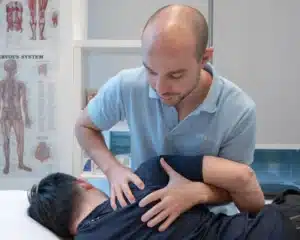
While ESWT can support recovery, long-term results also depend on addressing the factors that contributed to the injury.
A complete rehabilitation plan combines approaches that restore strength, movement, and confidence.
Combining Shockwave Therapy With Physiotherapy
Physiotherapy plays an important role in helping patients regain function.
Exercises can help:
- Improve strength
- Restore mobility
- Build tolerance to activity
- Reduce the risk of recurring injuries
When combined with physiotherapy in Singapore can help patients progress from symptom management toward long-term recovery.
The Role of Osteopathy in Recovery
For some patients, osteopathy offers a complementary approach, focusing on how different parts of the body interact and how movement patterns may contribute to discomfort. It may pair well with shockwave therapy by addressing mobility restrictions and other factors that affect recovery.
A combined approach can help create a more complete rehabilitation strategy.
Frequently Asked Questions
Is shockwave therapy painful?
Most patients describe it as uncomfortable rather than painful.
You may feel repeated tapping sensations or pressure over the treatment area. The intensity can usually be adjusted according to your comfort level.
How long does it take to see results?
Most patients begin noticing some improvement within 3 to 6 weeks of starting treatment, though full results can take up to 3 months as the tissue continues to heal. Recovery time varies by condition, severity, and how consistently rehabilitation exercises are followed.
How much does shockwave therapy cost in Singapore?
Shockwave therapy is typically added to a physiotherapy or osteopathy session rather than billed on its own.
At City Osteopathy & Physiotherapy, it’s offered as a $55 add-on modality on top of the session fee, which ranges from $190 for a follow-up visit to $225 for a session with a senior practitioner (prices exclude 9% GST). Across the wider Singapore market, standalone shockwave pricing for musculoskeletal conditions generally ranges from $100 to $350 per session, depending on the clinic and whether it’s bundled with a consultation. Ask your clinic for an itemised quote before starting treatment.
When to Consider Shockwave Therapy in Singapore for Persistent Pain
Persistent pain does not always mean surgery is required, but it should not be ignored.
If discomfort, stiffness, or recurring symptoms are affecting your daily activities, exercise, or quality of life, understanding the underlying cause is an important first step. We can help you assess whether this treatment or another rehabilitation approach suits you.
With a proper assessment, targeted treatment, and your active participation in recovery, we can help you reduce pain, improve movement, and return to the activities that matter most to you. Book an assessment with our team to get started.