Sciatica is a condition where pain radiates along the sciatic nerve, typically from your lower back through your hips and down one leg. Some options for sciatica treatment in Singapore combine targeted spinal care, nerve decompression techniques, and guided rehabilitation to address the root cause, not just the symptoms.
Key Takeaways
- Sciatica originates from sciatic nerve compression, most often caused by disc herniation, stenosis, or piriformis syndrome.
- Singapore’s desk-bound work culture makes postural causes particularly common.
- Chiropractic care and physiotherapy are well-supported, non-invasive first-line treatments.
- Staying active with guided exercises generally leads to better outcomes than bed rest.
- Medical intervention, including injections or surgery, is reserved for severe or unresponsive cases.
- Getting an accurate diagnosis before starting treatment is critical to choosing the right approach.
Why Sciatica Pain Feels So Different From Ordinary Back Pain
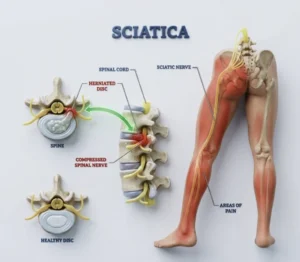
Most people describe sciatica as a sharp, burning, or electric-shock sensation that travels down one side of the body. Unlike general lower back pain, sciatica originates from irritation or compression of the sciatic nerve, which is the longest nerve in the human body.
In Singapore, sedentary office lifestyles, long commutes, and prolonged sitting are among the most common triggers. Conditions that frequently cause sciatic nerve compression include:
What Causes Back Pain Radiating Down Leg in Singapore?
The sciatic nerve travels from your lower spine down each leg. When a structure presses against this nerve, it triggers back pain radiating down leg in Singapore. Common culprits include:
- Prolonged sitting in office environments with poor ergonomics
- Heavy lifting with improper form
- Age-related spinal wear
Common Symptoms: Identifying Nerve Pain in Your Leg
Recognising true nerve pain in leg in Singapore is key to seeking timely care. Look out for these signs:
- Sharp, electric, or shooting pains
- Persistent numbness or tingling in the calf or foot
- Muscle weakness making it difficult to lift your foot
Without proper treatment, symptoms can worsen over time, leading to numbness, muscle weakness, or difficulty walking. Understanding the cause of your specific case is the essential first step.
Note: Seek immediate emergency medical attention if you experience “red flag” symptoms such as a loss of bowel or bladder control, or sudden, progressive leg weakness.
Sciatica vs. Slipped Disc: What’s the Difference?
To distinguish between the two, this quick-reference table breaks down the key differences between the symptoms you feel and the underlying structural issue causing them.
| Feature | Sciatica | Slipped Disc (Herniated Disc) |
|---|---|---|
| What Is It? | A collection of symptoms caused by nerve irritation. | A physical, structural injury to a spinal disc. |
| Classification | It is a symptom or clinical manifestation, not an independent disease. | It is an underlying anatomical condition or diagnosis. |
| Primary Location | Pain travels along the path of the sciatic nerve, down the buttocks and legs. | Located directly in the lumbar spine (lower back), though it affects other areas. |
| Common Sensation | Sharp, shooting pain, electric sensations, numbness, or tingling. | Localised deep ache in the back, or no pain at all unless it presses a nerve. |
| Clinical Relationship | It is the result of a problem in the lower back. | It is frequently the structural cause that triggers sciatica. |
What Are Your Treatment Options Actually Like for Sciatica in Singapore
Not every case of sciatica responds to the same approach. Treatment is most effective when it is tailored to the underlying cause and severity of nerve compression.
Chiropractic Care
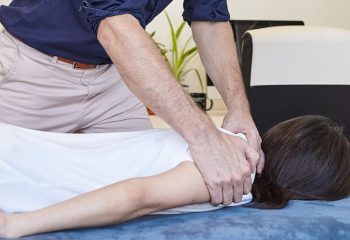
Chiropractic treatment is one of the most sought-after non-invasive options for sciatica in Singapore. Through spinal adjustments and manipulations, a chiropractor works to reduce the pressure on the affected nerve root. Research published by the National Institutes of Health suggests spinal manipulation can be as effective as surgical consultation for many patients with disc-related sciatica.
At a chiropractic clinic in Singapore, your initial session typically includes a detailed assessment of your posture, reflexes, and spinal alignment. Treatment plans are built around your specific diagnosis, which might combine spinal adjustments, soft tissue therapy, and postural correction exercises.
Physiotherapy for Sciatica Treatment in Singapore
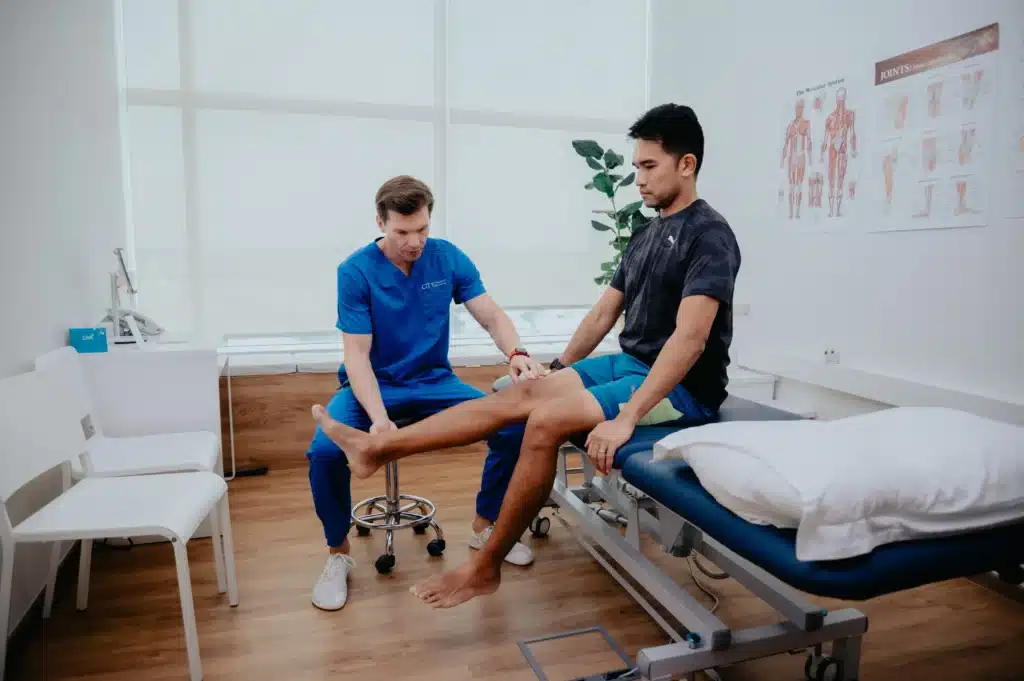
Clinical physiotherapy for sciatica treatment targets the root cause of nerve compression through active rehabilitation and manual therapeutic modalities.
Targeted Modalities: Beyond Basic Stretches
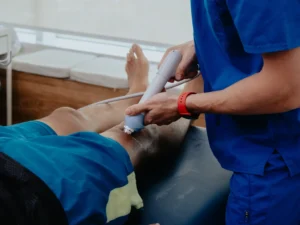
Passive recovery or simple home stretching is rarely enough to resolve severe sciatica pain treatment in Singapore. Physiotherapy utilises advanced clinical modalities to accelerate your tissue healing journey. These evidence-based tools provide rapid symptomatic relief so you can participate comfortably in active movement therapy:
- Dry Needling: This technique involves inserting ultra-fine needles directly into deep, protective muscle spasms around the lumbar spine and gluteal region, safely deactivating painful trigger points.
- Shockwave Therapy: Delivers acoustic energy waves into chronic soft tissue restrictions to stimulate localised blood circulation and cellular repair.
- Manual Decompression Traction: A gentle, hands-on technique where the therapist unloads the spine to widen the intervertebral disc spaces, mechanically reducing direct pressure on the compressed nerve root.
Is Sciatica Massage in Singapore Effective for Nerve Pain?
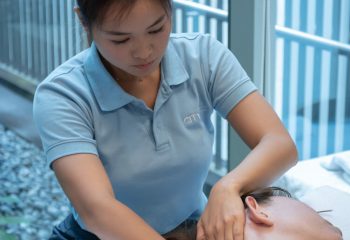
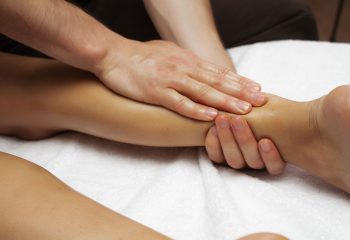
Specialised physiotherapy in Singapore for sciatica utilises targeted manual therapy and deep tissue mobilisation. Physiotherapists focus specifically on tight structures such as the piriformis, a deep gluteal muscle that frequently compresses the sciatic nerve. Safely releasing these deep muscular restrictions reduces the nerve pain in the leg that Singapore residents experience, restoring smooth mobility without triggering further inflammation.
When to See Medical Pain Specialists or Orthopaedic Surgeons
While conservative therapy successfully resolves the majority of cases, severe structural issues occasionally require medical escalation. If your nerve pain leg Singapore symptoms fail to improve after six to eight weeks of intensive physiotherapy for sciatica, a specialist medical referral is appropriate.
Interventional pain doctors can provide Epidural Steroid Injections (ESI) to calm severe localised inflammation, or Radiofrequency Ablation (RFA) to block pain signals temporarily. These medical options are highly effective at creating a temporary, pain-free window so you can comfortably return to your active rehabilitation exercises.
Surgical interventions, such as a microdiscectomy or laminectomy, remain a final alternative reserved for structural failures or progressive neurological weakness.
If you are experiencing persistent sciatica or nerve pain and want to explore your treatment options, book a consultation with our team today.
Frequently Asked Questions About Sciatica Care
What is the most successful treatment for sciatica?
A combination of progressive physiotherapy, manual spinal decompression, and long-term ergonomic changes yields the highest success rates for non-surgical recovery.
Can I exercise with sciatica?
Yes. Gentle walking and nerve flossing exercises are beneficial, but you must avoid heavy lifting or deep forward bending without professional medical guidance.
How long does sciatica treatment take to work?
Many patients feel initial relief within a few sessions. Lasting structural healing and tissue recovery generally take 4 to 8 weeks of consistent conservative care.
Take Control of Your Pain Journey Today
Do not let radiating nerve pain limit your daily life. You can book an appointment for a direct access assessment with our expert clinical team without needing a prior doctor’s referral.
Schedule your spinal assessment and book an appointment to discover the right non-surgical treatment path for your body today.