
Does climbing the stairs at the MRT station leave you with a nagging ache? Perhaps your knees feel like rusty hinges when you first wake up. Many people in Singapore find that knee pain gradually begins to dictate their lifestyle. Understanding osteoarthritis knee is the first step toward reclaiming your active life.
What is Osteoarthritis of the Knee? (The “OA Knee” Explained)

Osteoarthritis (OA) knee is a chronic condition that develops as the joint’s protective cartilage wears away. Without this smooth cushioning, the bones in your knee begin to rub together. This results in the bones rubbing more closely against each other, which leads to pain, swelling, and reduced movement.
How Common is OA Knee in Singapore?
Singapore is seeing a rise in osteoarthritis knee cases due to an ageing population and high activity levels. It is one of the most frequent reasons patients visit our clinics. Whether caused by years of running or simply getting older, losing mobility is a major concern for many people. This physical decline affects daily life and remains a widespread issue in the community.
Is OA Knee Reversible?
While we cannot grow back lost cartilage, the condition is highly manageable. Modern osteoarthritis treatment focuses on reducing inflammation, improving joint function, and strengthening the muscles that support the knee.
At City Osteopathy & Physiotherapy, our oa knee treatment protocols focus on long term health. These treatments are designed to postpone or even prevent the need for surgery.
Symptoms and the 4 Stages of Osteoarthritis
Early detection of an osteoarthritis knee issue allows for more effective, non-invasive interventions. Typical signs include crepitus (a grinding or popping sensation), stiffness after rest, and a loss of flexibility in the joint.

The Four Stages of Osteoarthritis Progression
- Stage 1 (Minor Osteoarthritis): Small lumps of bone called osteophytes may grow. You likely feel very little pain.
- Stage 2 (Mild Osteoarthritis): This is when symptoms become noticeable. You may feel stiffness after a long day of walking.
- Stage 3 (Moderate Osteoarthritis): Cartilage shows obvious damage. The gap between bones narrows, making daily activities like squatting uncomfortable.
- Stage 4 (Severe Osteoarthritis): The cartilage is almost gone. This bone-on-bone stage causes intense pain and makes walking very difficult.
When Should You See a Specialist?
If your knee feels unstable or if pain persists for more than a few weeks, it is time to seek professional help. Waiting until you reach Stage 4 makes recovery more complex. Early oa knee treatment can keep you mobile for decades longer.
Root Causes and Risk Factors of OA Knee
Several factors contribute to the development of an osteoarthritis knee. While age is a factor, it is rarely the only cause. Identifying your specific risk factors helps us create a more effective recovery plan.
| Risk Factor | Impact on the Knee |
|---|---|
| Weight | Extra body mass increases the mechanical load on the joint. |
| Previous Injury | Past ACL or meniscus tears can change joint mechanics years later. |
| Activity Level | Both sedentary lifestyles and high-impact repetitive sports play a role. |
The Role of Joint Misalignment
Your knee does not work in isolation. If your hips are tight or your ankles are unstable, your knee often compensates. This misalignment causes uneven wear on the cartilage. An osteopath looks at these upstream and downstream issues to ensure your knee is not taking more than its fair share of the load.
Genetic and Occupational Factors
Some people are naturally born with softer cartilage that wear down more easily. Similarly, occupations that require frequent kneeling or heavy lifting can accelerate joint wear. Understanding these patterns allows us to suggest modifications to your daily routine.
Lifestyle & Home Management for OA Knee
Managing an osteoarthritis knee at home is about balance. It isn’t just about what you do during your workout; it’s a 24-hour cycle where consistent walking keeps the joints lubricated, a targeted diet reduces internal swelling, and restorative sleep allows the tissues to repair. By balancing these three pillars, you can avoid the start-stop cycle of pain and maintain better mobility throughout the day.
Does Walking Help with Osteoarthritis Knee?

Walking is often encouraged because consistent movement helps lubricate the joints and maintain tissue health. Low-impact walking helps circulate synovial fluid, which lubricates the joint. However, a common mistake is walking on hard concrete surfaces with unsupportive shoes. We recommend cushioned footwear and varied terrain to protect the joint.
The OA Diet: Foods to Avoid and Vitamins to Focus On
A diet rich in anti-inflammatory foods can help manage swelling.
- Avoid: Highly processed sugars and trans fats which can trigger inflammation.
- Focus On: Omega-3 fatty acids (found in oily fish), Vitamin D, and antioxidants from colourful vegetables.
Best Sleeping Positions for OA Knee Pain
If osteoarthritis knee pain keeps you awake, try sleeping on your side with a pillow between your knees. This keeps your hips, pelvis, and spine in better alignment and reduces the pressure on your joints.
Why Choose City Osteopathy & Physiotherapy for OA Knee Treatment?
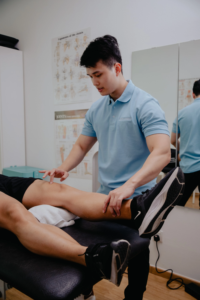
We believe in a synergy approach. By combining the structural expertise of Osteopathy with the rehabilitative strength of Physiotherapy, we provide a comprehensive therapy for osteoarthritis knee in Singapore.
Our Advanced Non-Surgical Toolkit
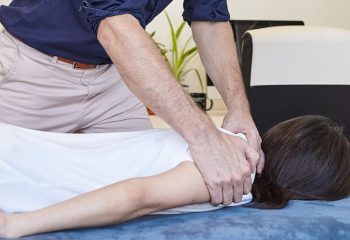
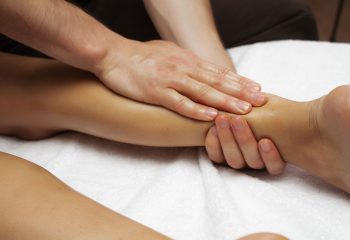
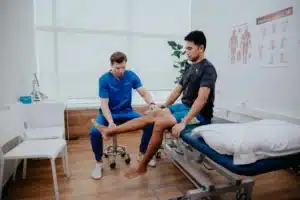
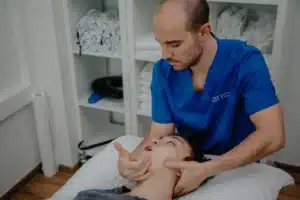
- Manual Therapy: Our experts use gentle joint mobilisation to reduce stiffness.
- Shockwave Therapy: This non-invasive treatment sends acoustic waves into the tissue to stimulate repair and reduce chronic pain.
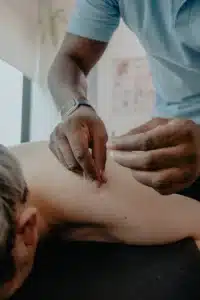
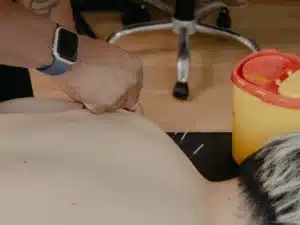
- Dry Needling: This helps release trigger points in the muscles surrounding the knee, taking the tension off the joint itself.
Clinical Pilates & Corrective Exercise
We don’t just give you a list of exercises. Our Clinical Pilates programs focus on building internal support for your body. By strengthening the core and the specific muscles that stabilise the knee, we help protect your joints from further wear. This ensures long-term joint protection.
Frequently Asked Questions About Osteoarthritis Knee
How fast does knee osteoarthritis progress?
It varies. Without intervention, it can progress over a few years. However, with proper oa knee treatment, many people stay in the mild stage for the rest of their lives.
Can You Live a Normal Life with Knee OA?
Absolutely. Many of our patients return to their favourite activities. Our philosophy is to manage the condition so effectively that you can avoid or postpone surgery indefinitely.
Is therapy for osteoarthritis knee covered by insurance?
Most private health insurance plans in Singapore cover physiotherapy and osteopathy. We provide direct billing and support to make your claims process seamless.
Start Your Recovery Journey Today
Don’t let knee pain keep you on the sidelines. At City Osteopathy & Physiotherapy, we are dedicated to helping you move better and feel stronger. Our holistic approach to osteoarthritis knee treatment is designed to get you back to the activities you enjoy most.