Can flattening your tongue against the roof of your mouth truly reshape your jawline, or are you secretly setting yourself up for chronic joint pain?
Mewing is a viral internet trend claiming to define the jawline through deliberate tongue posture. However, clinical evidence shows that improper self-training often triggers or worsens jaw pain, known as temporomandibular joint (TMJ) dysfunction. While orthotropics can influence growing children, adults facing facial tension or structural clicking require targeted medical care like physiotherapy or osteopathy to safely restore alignment without causing joint injury.
What is Mewing and Why is It Trending?
Mewing is an unverified Do-It-Yourself facial reshaping technique popularised on social media that involves restructuring resting oral posture to change facial aesthetics.
Understanding Orthotropic Tongue Posture and Aesthetics
Mewing describes resting the entire tongue flat against the roof of the mouth, lips closed and teeth lightly together. Originating from orthotropics and popularised online, proponents claim long-term tongue posture can change maxillary growth and facial shape.
In children, habitual oral posture helps guide development. In adults, claims that simple tongue pressure will remodel bone are largely unsupported by high-quality evidence.
Social Media Trends: Why Is Gen Z Obsessed With Mewing?
TikTok algorithms and beauty creators have turned jawline aesthetics into an online obsession. Young adults seek rapid ways to improve their facial profiles without undergoing expensive clinical surgeries or orthodontic treatments.
The promise of free, non-invasive cosmetic adjustment drives this massive phenomenon. However, social posts often ignore timeframes, age limits and potential adverse effects. If aesthetics are the driver, professional consultation clarifies realistic outcomes and safer alternatives.
Limits of Facial Development and Tongue Pressure
Scientific evidence demonstrates that bone structure modifications via tongue posture are limited almost exclusively to early childhood development before skeletal structures fuse. For mature adults, the short answer is no. Voluntary tongue pressure cannot reposition mature facial bones that have already completed their natural growth cycles.
After early adulthood, the mid-palatal suture is completely fused. Forcing intense pressure onto fixed skeletal structures may alters dental positioning rather than shifting the actual jawbone. Proper resting oral posture supports overall dental health. However, aggressive mechanical force destabilises the delicate relationship between the upper maxilla and the moving mandible, altering structural balance.
The Risks of DIY Techniques: Can Mewing Help TMJ or Worsen It?
Unguided oral posture techniques frequently cause muscle strain, creating or accelerating severe temporomandibular joint (TMJ) disorders. When you force your jaw into unnatural, rigid positions, the surrounding musculoskeletal system suffers.
| Trend vs. Reality | Viral Mewing Claims | Clinical Evidence |
|---|---|---|
| Skeletal Shifting | Relocates adult jaw bones | Moves teeth unnaturally |
| Pain Relief | Relieves jaw tightness | Aggravates TMJ ligaments |
| Muscle Tone | Creates symmetric definition | Triggers painful muscle spasms |
- Skeletal Shifting vs. Dental Movement: While viral trends claim to relocate adult jawbones, clinical evidence shows that unguided physical force only moves teeth unnaturally.
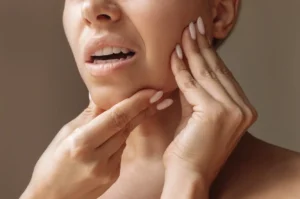
- Muscular Imbalance and TMJ Dysfunction: Uneven tongue pressure applies asymmetric forces across the jaw joints, leading to a destabilised local musculature, painful clicking, popping, and limited opening.
- Jaw Misalignment and Disc Displacement: Instead of correcting alignment, forcing the jaw into unnatural positions strains the lateral pterygoid muscles, which can permanently displace the joint disc.
- Excessive Pressure and Radiating Pain: Clenching the teeth during these exercises radiates tension upward, causing chronic tension headaches, neck stiffness, and persistent facial fatigue.
- Aggravated Ligaments: Attempting to relieve jaw tightness with self-taught pressure frequently backfires by overstretching and aggravating sensitive tmj ligaments.
Professional Alternatives: Osteopathy and Physiotherapy for TMJ
Clinical physical therapies provide targeted, evidence-based solutions to systematically resolve the root causes of jaw tension and joint misalignment.
Why Holistic Clinical Care Outperforms Unregulated Myofunctional Tracking
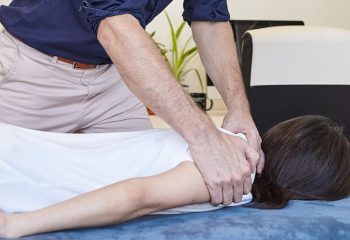
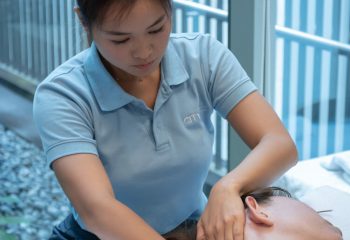
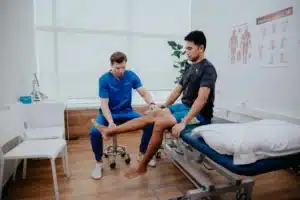
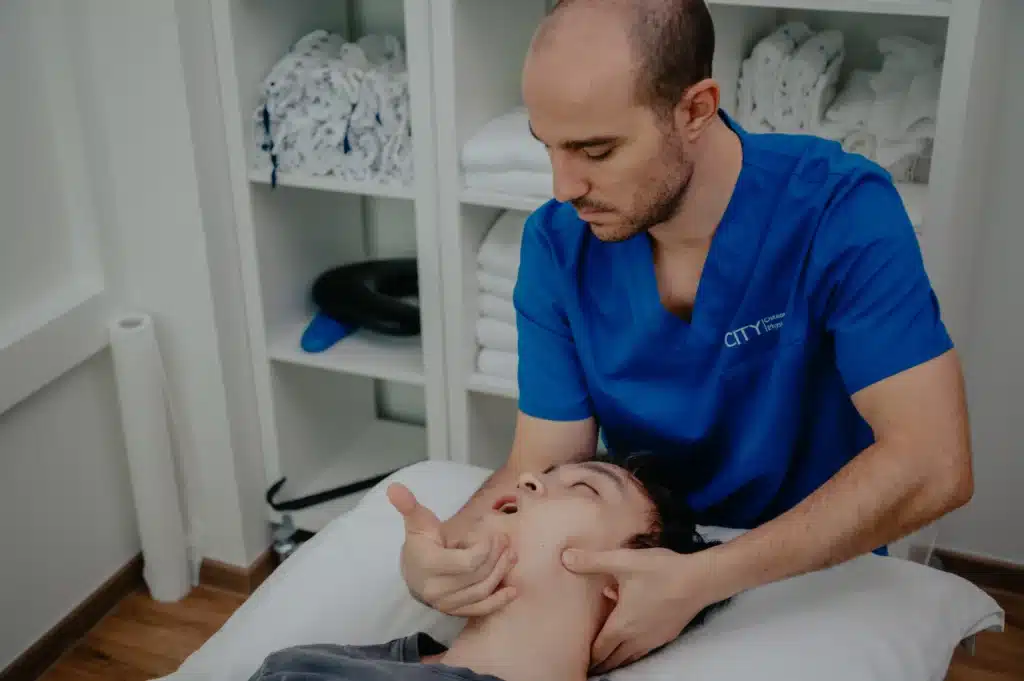
Osteopathy and physiotherapy evaluate the head, neck, and spine as a connected system. Instead of chasing a single posture tip, clinicians balance muscles, restore joint mechanics, and correct posture. This comprehensive approach reduces recurrence and improves function.
Pain Relief Through Clinical Myofascial Release Techniques
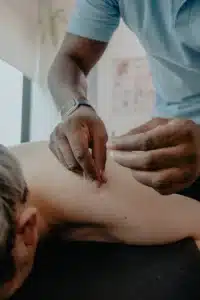
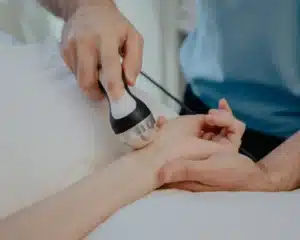
Clinicians use extra-oral and intra-oral myofascial release to unload hypertonic muscles, release adhesions and reduce trigger points. These hands-on techniques relieve pain rapidly and prepare tissues for retraining.
Restoring Joint Mobility: Mobilisation, Alignment, and Targeted Exercises
Gentle joint mobilisation, neural mobilisation and progressive muscle retraining restore mandibular tracking. Clinicians provide graded exercises to normalise bite function, optimise breathing patterns and prevent relapse.
Frequently Asked Questions About How to Mew Safely
Is There a Safe Method for how to mew Without Causing Injury?
The safest way to position your tongue is simply natural resting posture. Your tongue should rest lightly against the palate, with teeth slightly apart and lips gently sealed, without any active forcing.
Should I Choose a Myofunctional Specialist or a Specialised Jaw Therapist?
If you are experiencing active pain, clicking, or headaches, a specialised jaw physical therapist or osteopath is ideal to safely treat the underlying joint mechanics.
Start Your Journey to Lasting Jaw Comfort
Do not let unregulated online trends compromise your physical health. If you are struggling with clicking, headaches, or muscle tension, step away from unguided internet practices. Contact City Osteopathy & Physiotherapy to explore our comprehensive treatment pathways.