Key Takeaways
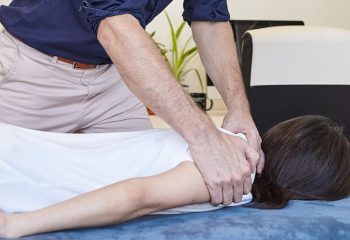
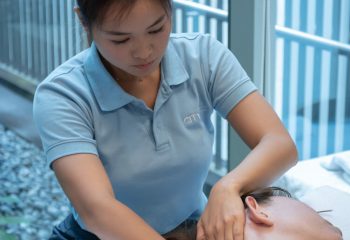
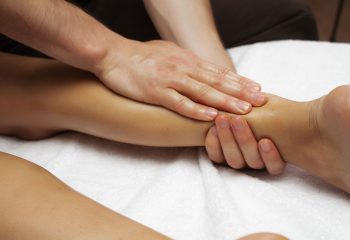
- Physiotherapy for lower back pain combines hands-on treatment, targeted exercises, and education to relieve pain and reduce the risk of recurrence.
- This guide covers 8 physiotherapy exercises for lower back pain, common causes of back pain, how physiotherapy treatment works, and when to see a physiotherapist in Singapore.
- Most people can start gentle exercises at home, but persistent or worsening pain should be assessed by a physiotherapist first.
Physiotherapy exercises for lower back pain are one of the most effective, non-invasive ways to relieve pain and prevent it from coming back. Physiotherapy treatment in Singapore for back pain, often simply called physio in Singapore, combines hands-on treatment, targeted exercises, and education to address the root cause of your discomfort, not just mask it. At City Osteopathy & Physiotherapy, we’ll guide you through the most effective exercises and how they fit into a complete physio treatment plan.
What Causes Lower Back Pain?
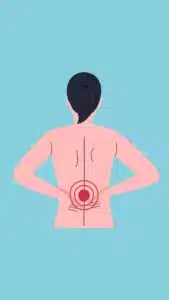
Lower back pain is one of the most common musculoskeletal complaints and can affect people of all ages. Understanding what may be contributing to your discomfort is the first step towards finding an effective solution.
Common causes of lower back pain include:
Muscle Strain
Straining the muscles or ligaments in your lower back can occur due to improper lifting, overuse, sudden movements, or activities that place excessive stress on your spine.
Herniated Discs
A herniated disc occurs when the soft centre of a spinal disc pushes through the tougher outer layer. This may irritate nearby nerves and cause lower back pain, numbness, or discomfort that travels into the legs.
Arthritis
Conditions such as osteoarthritis and ankylosing spondylitis can contribute to lower back pain by causing inflammation, stiffness, and changes within the joints of the spine.
Spinal Stenosis
Spinal stenosis occurs when the spaces within the spine become narrower, which may place pressure on the spinal cord or surrounding nerves.
Scoliosis
An abnormal curvature of the spine can affect posture, movement patterns, and how stress is distributed through the lower back.
Poor Posture and Lifestyle Factors
Prolonged desk hours are one of the most common contributors to lower back pain among office workers in Singapore. Sitting for extended periods, poor posture, and a sedentary lifestyle can increase strain on the lower back and contribute to stiffness and discomfort.
Now that we have explored the common causes of lower back pain, let’s look at how physiotherapy can help relieve symptoms and improve long-term function.
How Does Physiotherapy for Lower Back Pain Work?
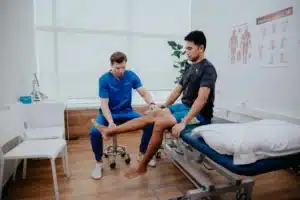
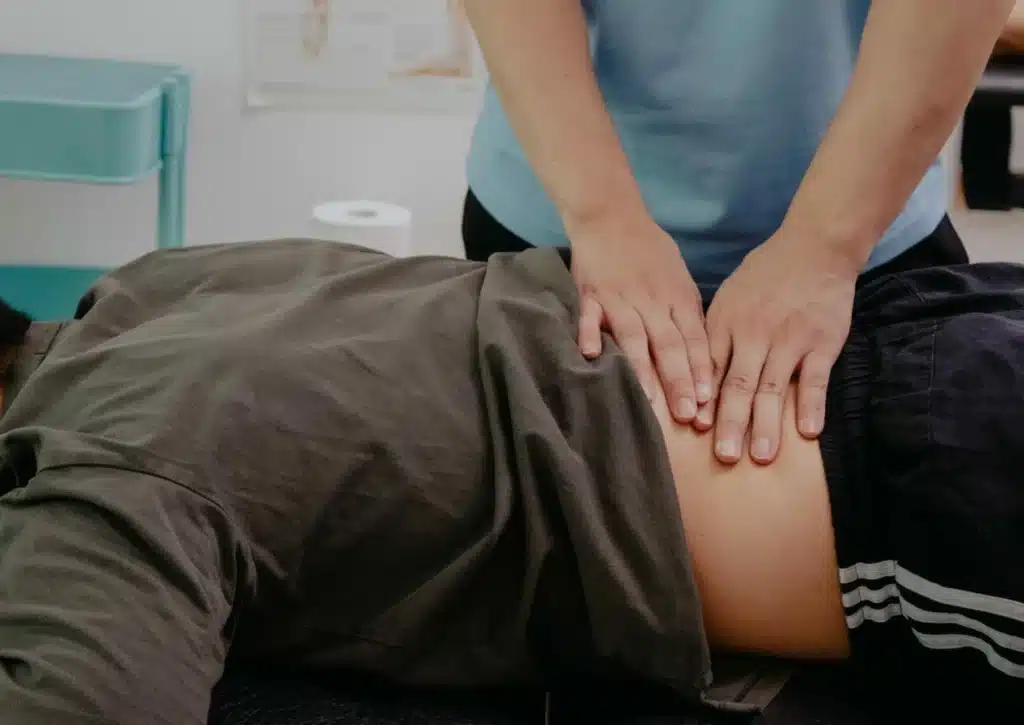
Physiotherapy is more than just a set of exercises. It is a comprehensive treatment approach that combines assessment, hands-on therapy, targeted exercises, and education to help manage lower back pain effectively.
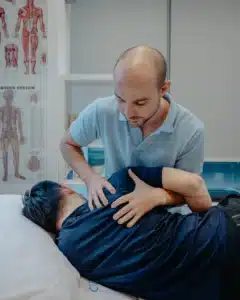
Here’s how physiotherapy for lower back pain can help:
- Personalised treatment: A skilled physio will assess your condition and design a tailored plan for you. Because lower back pain can have different causes, your treatment plan should be personalised rather than based on a one-size-fits-all approach.
- Pain relief: Physiotherapy techniques such as manual therapy can help reduce muscle tension, improve joint mobility, and relieve pain. By improving how your body moves and functions, physiotherapy can help you return to daily activities more comfortably.
- Improving strength and flexibility: Targeted physiotherapy exercises help strengthen the muscles supporting your spine, including your core, hips, and lower back. Improved strength and flexibility can enhance spinal stability and reduce unnecessary strain during activities such as sitting, lifting, walking, and exercising.
- Preventing recurrence: Physiotherapy does not only focus on reducing current symptoms. It also aims to identify and address factors that may contribute to recurring lower back pain.
- Education: Understanding the mechanics of your pain and how to manage it is empowering. Physiotherapists can educate you about your condition and its management.
- Non-invasive approach: Physiotherapy focuses on non-surgical methods, making it a safe and less invasive option for managing lower back pain.
What Are Specific Exercises and Stretches That Provide Lower Back Pain Relief?
Here are 8 physiotherapy exercises for lower back pain that we commonly recommend to relieve tension, build strength, and support recovery:
1. Child’s Pose
This classic yoga pose is excellent for stretching and relaxing the lower back. Here’s how to do it:
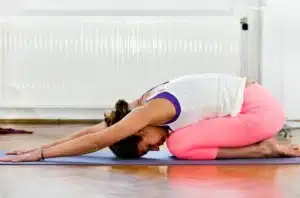
- Start by kneeling on the floor with your big toes touching and your knees apart.
- Sit back towards your heels.
- Extend your arms forward and slowly lower your chest towards the floor.
- Rest your forehead on the floor or a cushion if needed.
- Breathe deeply and hold the position for 30 seconds to a minute.
Child’s Pose gently stretches the lower back, hips, and thighs, helping to reduce muscle tightness and promote relaxation.
2. Knee-to-Chest Stretch
The knee-to-chest stretch helps relieve tension in the lower back and hips. Here’s how to do it:
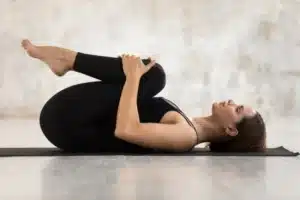
- Lie on your back on a comfortable surface.
- Bend your knees and keep your feet flat on the floor.
- Place your hands behind your thighs or hold your shins below your knees.
- Gently pull your knees towards your chest.
- Hold the stretch for 20–30 seconds while breathing deeply.
The knee-to-chest stretch eases lower back tension and can provide relief for discomfort associated with conditions like sciatica.
3. Seated Forward Bend
This stretch targets the lower back and hamstrings, helping improve flexibility and reduce tension around the lumbar region. Follow these steps:
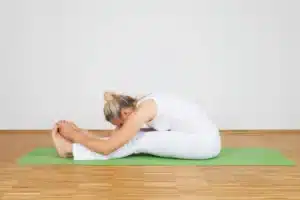
- Sit on the floor with your legs extended straight in front of you.
- Keep your feet flexed with your toes pointing upwards.
- Lengthen your spine as you inhale.
- Slowly bend forward from your hips as you exhale.
- Reach towards your toes or shins while keeping your back as straight as possible.
- Hold the stretch for 20–30 seconds while breathing deeply.
The seated forward bend can help improve flexibility in the lower back and hamstrings, reducing stiffness and discomfort.
4. Cat-Cow Stretch
This dynamic stretch helps improve the flexibility of the spine and provides relief for lower back pain. Here’s how to perform it:
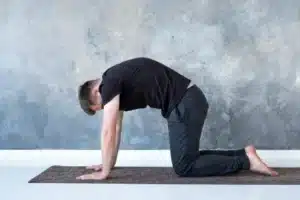
- Start on your hands and knees in a tabletop position.
- Inhale as you gently arch your back, lifting your head and tailbone upwards.
- Exhale as you round your spine, bringing your chin towards your chest.
- Slowly alternate between the two positions while following your breathing.
- Continue for 30 seconds to 1 minute.
The Cat-Cow stretch helps mobilise the spine, improve flexibility, and encourage smoother movement through the lower back.
5. Pelvic Tilts
Pelvic tilts help improve awareness and control of the pelvis while gently strengthening the muscles around the lower back. Follow these steps:
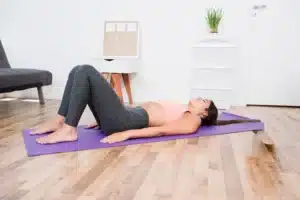
- Lie on your back with your knees bent and feet flat on the floor.
- Place your arms comfortably by your sides.
- Engage your core muscles.
- Slowly tilt your pelvis backwards, pressing your lower back gently into the floor.
- Return to the neutral position.
- Repeat the movement by creating a small arch in your lower back.
- Continue for around 30 seconds while focusing on controlled breathing.
Pelvic tilts can help improve lumbar mobility, reduce stiffness, and strengthen the muscles involved in supporting your lower back.
6. Bridge Exercise
This strengthens the glutes and lower back to improve spinal support. Follow these steps:
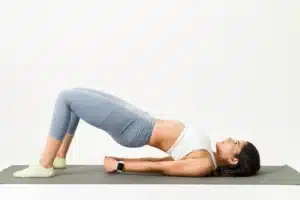
- Lie on your back with your knees bent and feet flat on the floor.
- Engage your core muscles.
- Lift your hips upwards until your body forms a straight line from your shoulders to your knees.
- Hold the position for 5–10 seconds.
- Slowly lower your hips back down.
- Repeat 10–15 times.
This exercise helps strengthen important muscles that support your spine, and improved strength can help reduce unnecessary stress during everyday movements.
7. Bird Dog Exercise
This helps build core stability and reduces the risk of recurring pain. Follow these steps:
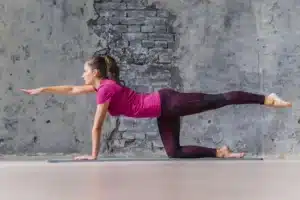
- Start on your hands and knees in a tabletop position.
- Keep your spine neutral and engage your core.
- Extend your right arm forward while extending your left leg backwards.
- Keep your hips level and avoid rotating your body.
- Hold briefly, then return to the starting position.
- Repeat on the opposite side.
It helps strengthen the muscles responsible for stabilising your spine, helping improve movement control during daily activities.
8. Lower Back Rotational Stretch
This helps improve spinal mobility and eases stiffness. Follow these steps:
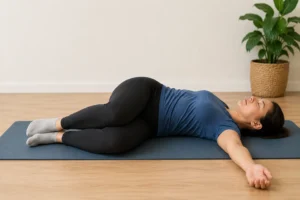
- Lie on your back with your knees bent and feet flat on the floor.
- Keep both shoulders relaxed and touching the floor.
- Slowly rotate both knees towards one side.
- Hold the stretch briefly before returning to the starting position.
- Repeat on the opposite side.
This exercise helps improve flexibility in the lower back and can reduce stiffness caused by prolonged sitting or limited movement.
These exercises focus on improving mobility, strengthening the muscles that support your spine, and reducing tension around the lower back. Perform them within your comfort level, and stop if anything feels sharp or worsens your pain.
If you experience worsening pain, numbness, weakness, or symptoms spreading into your legs, seek advice from a physiotherapist in Singapore before continuing.
What Are the Benefits of Physiotherapy for Lower Back Pain?
Physiotherapy for lower back pain offers several key benefits: it relieves pain, improves mobility, strengthens the muscles that support your spine, and helps prevent the pain from returning. When combined with professional guidance, these benefits build into a complete lower back pain management plan rather than temporary relief.
Here’s how physio delivers on each of these:
Pain Relief
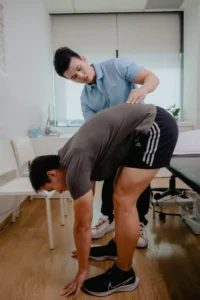
One of the main benefits of physiotherapy exercises is reducing lower back discomfort by improving movement, relieving muscle tension, and addressing factors that may contribute to pain. A physio may combine targeted exercises with hands-on treatment to help improve mobility and make daily movements more comfortable.
Improved Mobility and Flexibility
Lower back pain often results in reduced mobility and range of motion. Physiotherapy focuses on addressing the root causes of your pain, which can include muscle imbalances, stiffness, or weaknesses. By targeting these issues, physiotherapists help you regain your range of motion and mobility. Whether it’s bending, twisting, or simply moving more freely, improved mobility is a significant benefit of physiotherapy.
Customised approach
No two individuals are exactly alike, and neither are their pain experiences. That’s where physiotherapy shines. Each treatment plan is tailored to your unique needs and condition. Your physiotherapist will assess your specific pain triggers, mobility limitations, and overall health. This personalised approach ensures that you receive the most effective and appropriate care for your situation.
Prevention
Physiotherapy goes beyond symptom management; it focuses on the underlying issues that contribute to your lower back pain. By addressing these root causes, physiotherapists aim to prevent future episodes of pain or discomfort. This proactive approach can significantly reduce the likelihood of recurring problems and empower you to enjoy a pain-free life.
Education
Understanding your condition and the mechanisms that contribute to your lower back pain is a powerful tool in your pain management toolbox. Physiotherapists are not only skilled in providing treatment but also in educating patients. You’ll learn about your body, your condition, and effective self-care techniques. This knowledge empowers you to take an active role in managing and preventing pain.
Non-invasive
Many people prefer non-invasive treatment options, and physiotherapy fits the bill. It is a minimally invasive approach to pain management that focuses on natural healing and improvement. Unlike surgical interventions, which may come with risks and downtime, physiotherapy offers a safer and more conservative path to relief. This makes it an attractive option for those seeking effective, non-surgical solutions for their lower back pain.
By improving strength, flexibility, posture awareness, and movement control, balance exercises in physiotherapy can help support long-term back health and reduce the likelihood of recurring discomfort.
What Lifestyle Changes Complement Physiotherapy Exercises for a Healthier Back?
To complement your physiotherapy exercises and make them even more effective, consider incorporating these lifestyle changes:
- Ergonomic adjustments: Ensure your workspace and home are ergonomically designed to support good posture.
- Regular movement: Avoid prolonged sitting and incorporate short breaks for movement into your day.
- Healthy eating: A balanced diet can support your overall well-being, including your spine health.
- Stress management: Stress can exacerbate pain. Explore stress-reduction techniques like meditation and yoga.
- Adequate sleep: Quality sleep is essential for the body’s healing and recovery.
Hydration: Staying well-hydrated can help with joint and muscle health.
Remember that a combination of physiotherapy exercises and these lifestyle changes can significantly improve your lower back pain management.
Start Your Journey to a Pain-Free Back: The Road to Relief with Physiotherapy in Singapore
Lower back pain can be a daunting challenge, but with the right approach, you can regain control over your comfort and mobility. Physiotherapy, with its tailored exercises and comprehensive strategies, offers a path to relief that’s worth exploring.
Here at City Osteopathy & Physiotherapy, we are committed to helping you live your life to the fullest, free from pain and discomfort. With 5 clinics across Singapore and over 12 years of experience, we’ve helped more than 15,000 patients to get better and enjoy their best every day. Book a consultation with us as we tailor an integrated plan to manage your back pain effectively.
Frequently Asked Questions About Physiotherapy Exercises for Lower Back Pain
What precautions should I take when performing lower back exercises?
When performing lower back exercises, it’s essential to follow these precautions:
- Start slowly and gradually increase intensity.
- Listen to your body; if an exercise causes pain, stop immediately.
- Always warm up before exercising to reduce the risk of injury.
- Consult a physiotherapist to ensure you’re performing exercises correctly and safely.
How do physiotherapy exercises compare to other treatments for back pain?
Physiotherapy exercises stand out as a conservative, non-invasive approach to managing lower back pain. They focus on addressing the root causes of pain and promoting long-term relief, making them an excellent option for those seeking a holistic, non-surgical solution.
Is physiotherapy good for back pain?
Yes. Physiotherapy is one of the most evidence-based, non-invasive treatments for lower back pain. It addresses the root cause of your discomfort through hands-on therapy, targeted exercises, and posture correction, rather than only masking symptoms.
What is physiotherapy for back pain?
Physiotherapy for back pain is a treatment approach that combines manual therapy, personalised exercise programmes, and patient education to relieve pain, restore mobility, and prevent the pain from recurring.
What does physiotherapy for lower back pain involve?
Lower back pain physiotherapy typically starts with an assessment to identify what’s causing your pain, followed by a mix of hands-on treatment, targeted exercises, and posture or lifestyle advice tailored to your condition.
What should I expect from back pain physiotherapy treatment in Singapore?
Back pain physiotherapy treatment usually involves an initial assessment, a personalised exercise programme, and manual therapy to relieve pain and restore movement. Most people attend weekly sessions and combine in-clinic treatment with home exercises.